GROUPEMENT SCIENTIFIQUE DE BIOLOGIE ET MÉDECINE SPATIALES
Understanding life in the space environment
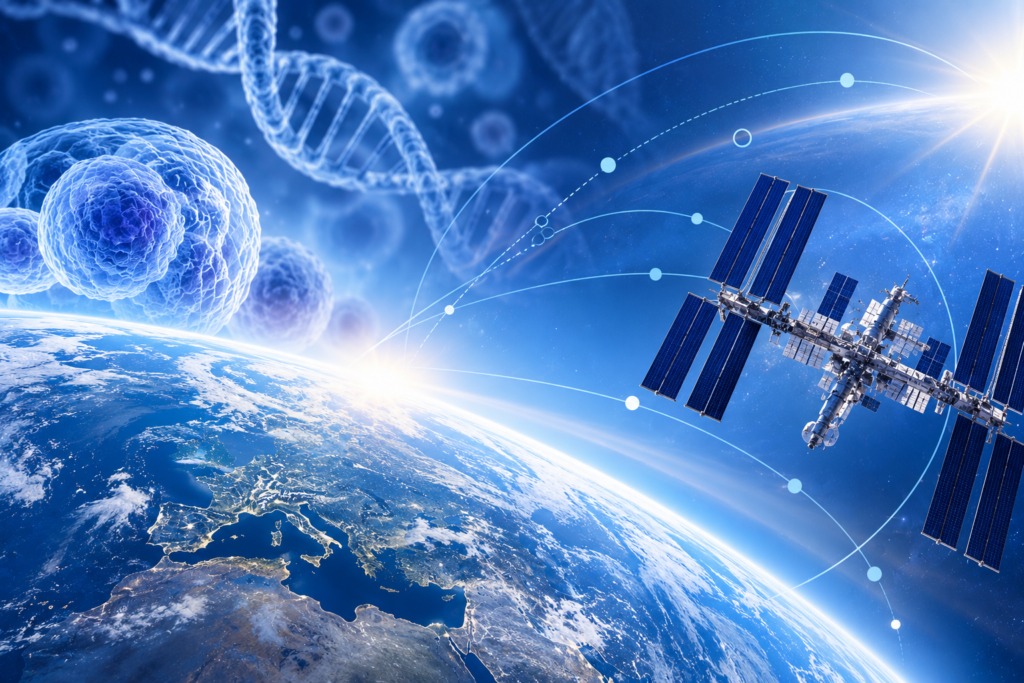
Space constitutes a unique scientific environment. Microgravity and exposure to cosmic radiation offer experimental conditions that cannot be durably reproduced on Earth.
These conditions make it possible to explore new fundamental questions in the fields of radiobiology, gravitational biology, physiology and space medicine.
Multidisciplinary expertise
The GSBMS brings together scientific teams from the University Paul Sabatier of Toulouse sharing a common interest in life sciences in space.
By pooling their skills, knowledge and expertise, its members contribute to designing, developing and carrying out space experiments, while fostering collaboration between research, teaching and technology.

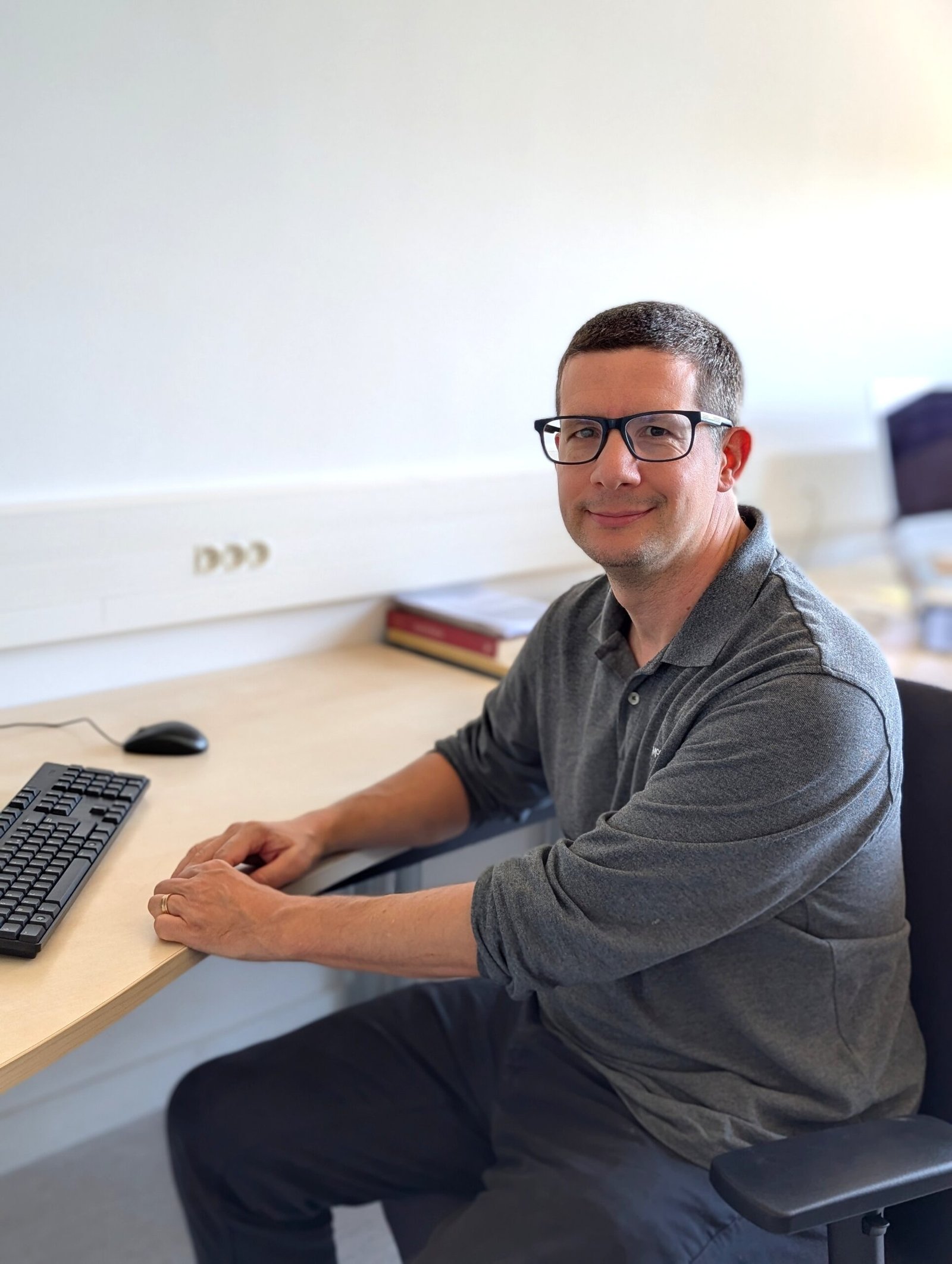
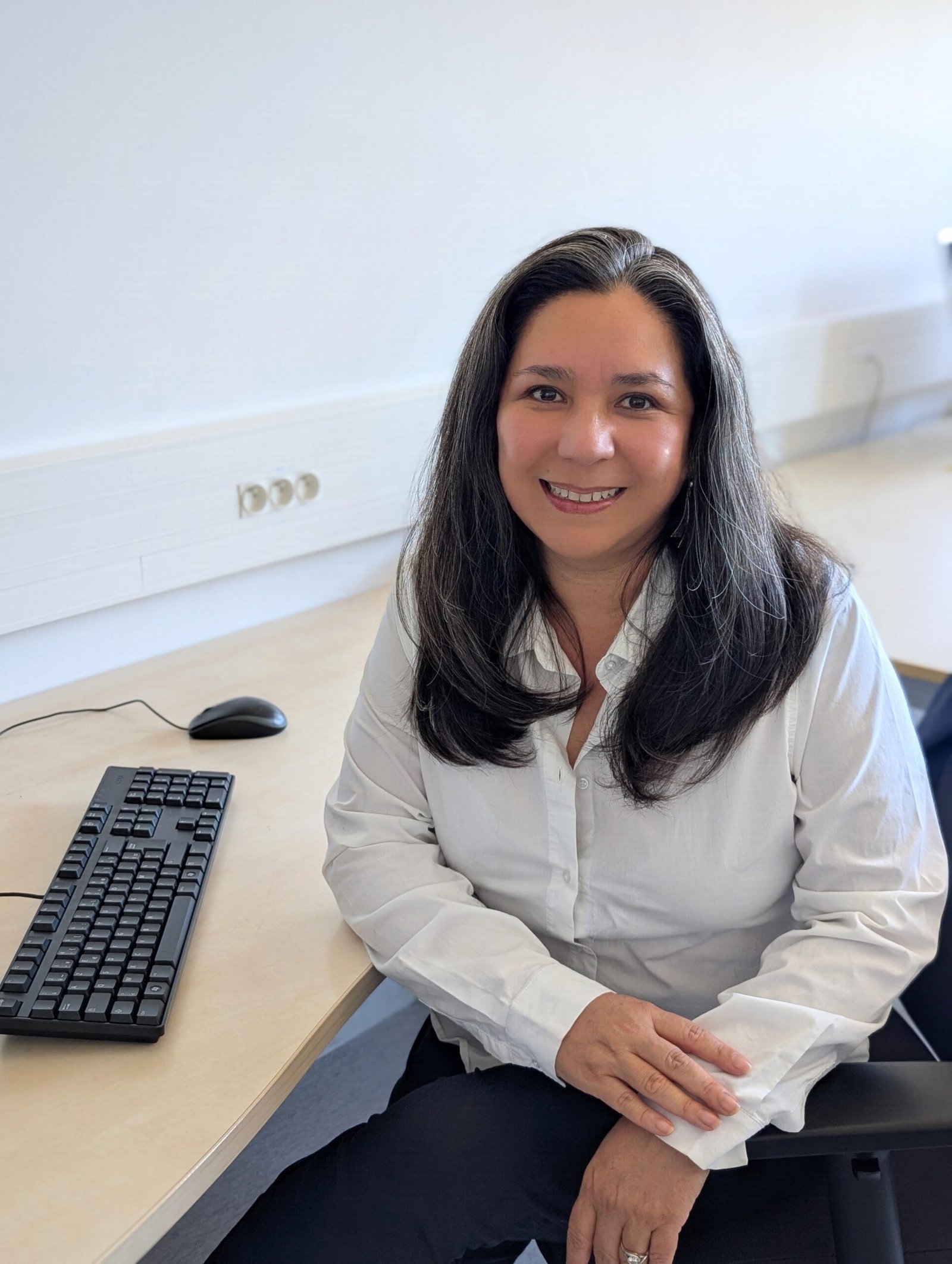
Veronica PEREDA-LOTH
Research engineer, PhD
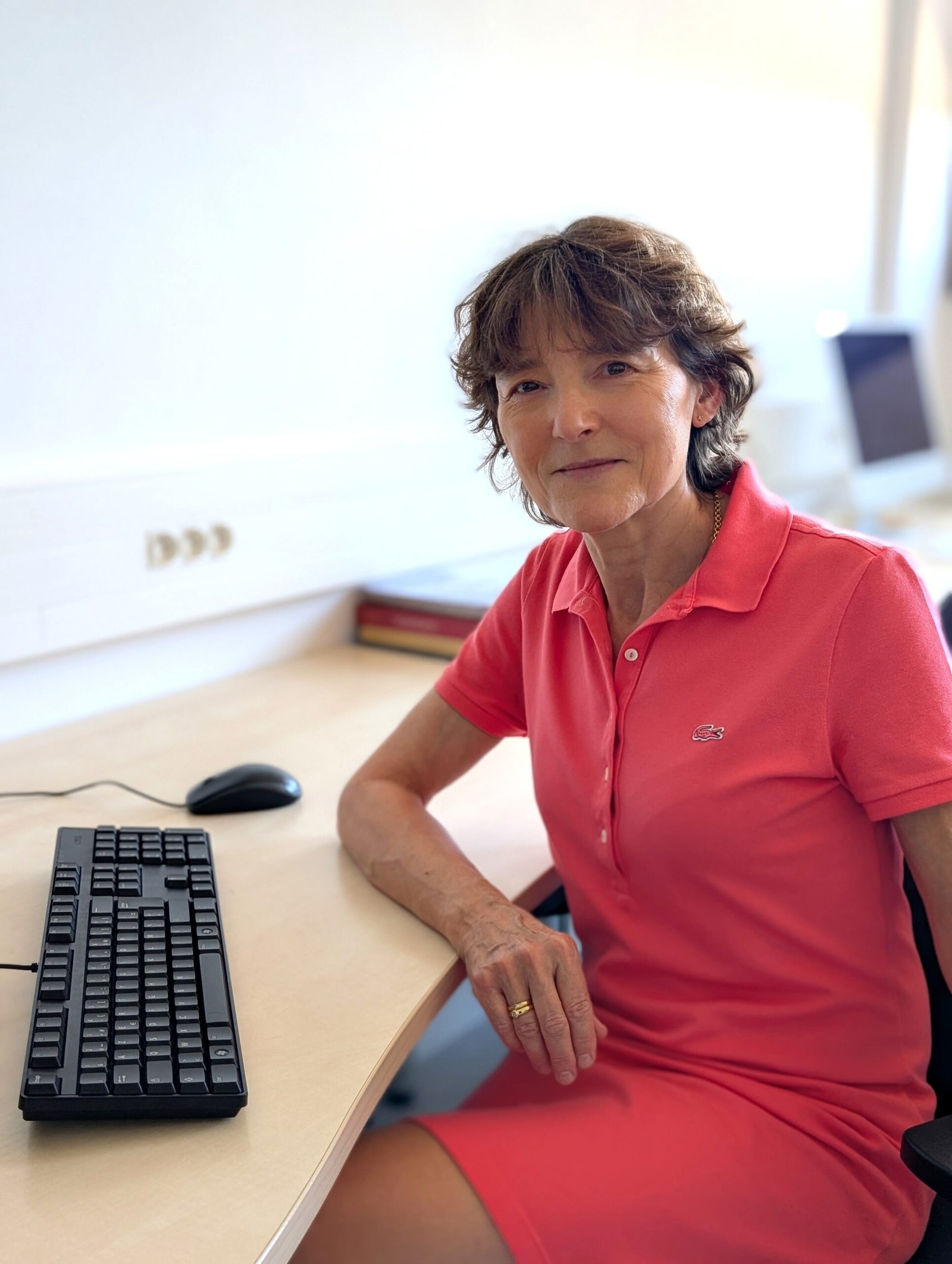
Denis PIERRON
Deputy Director, EVOLSAN
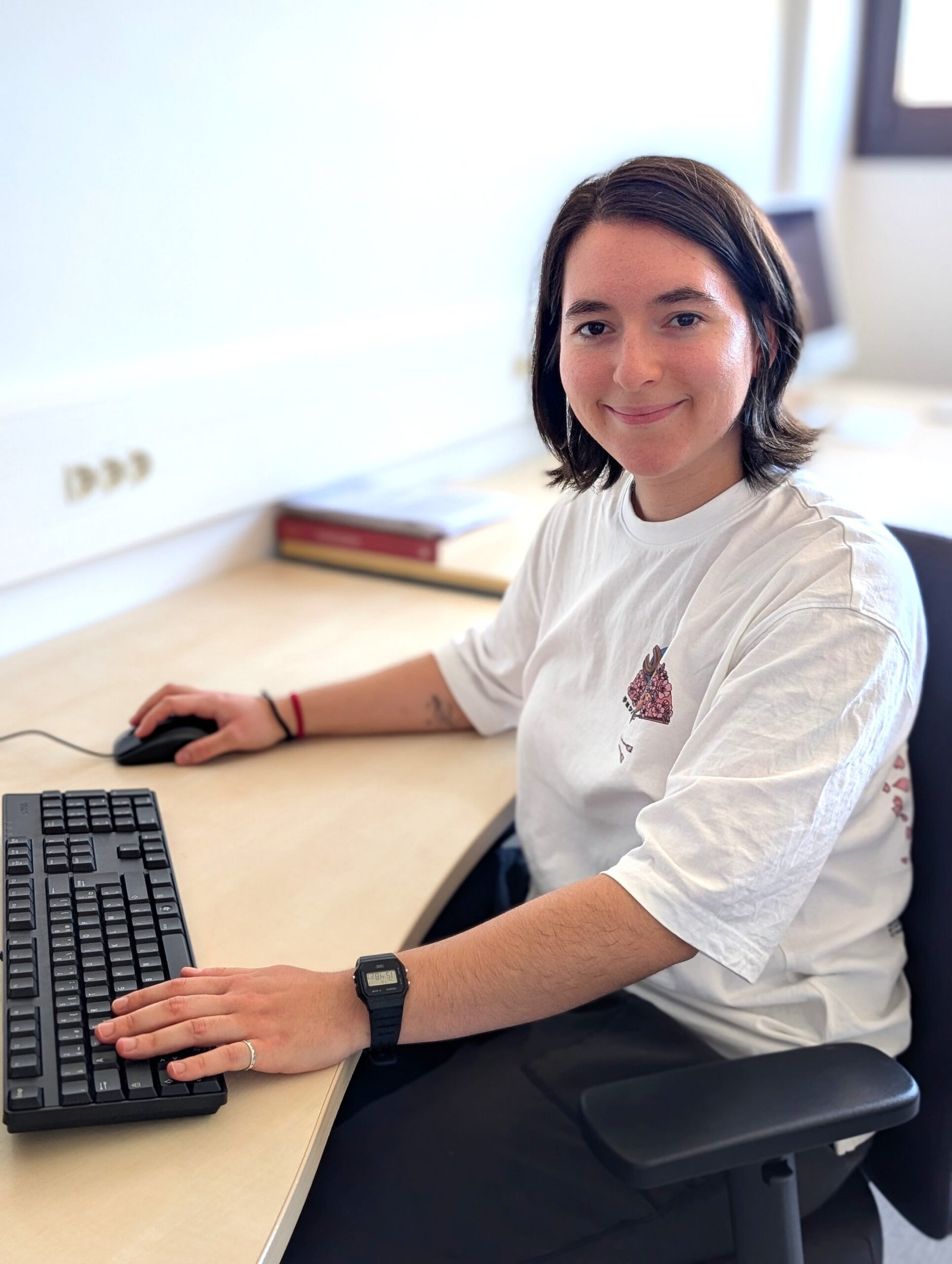
Marion NAISSANT
Technician

Lenka TISSEYRE
Assistant engineer

Axel PIGEON
Engineer (apprenticeship)
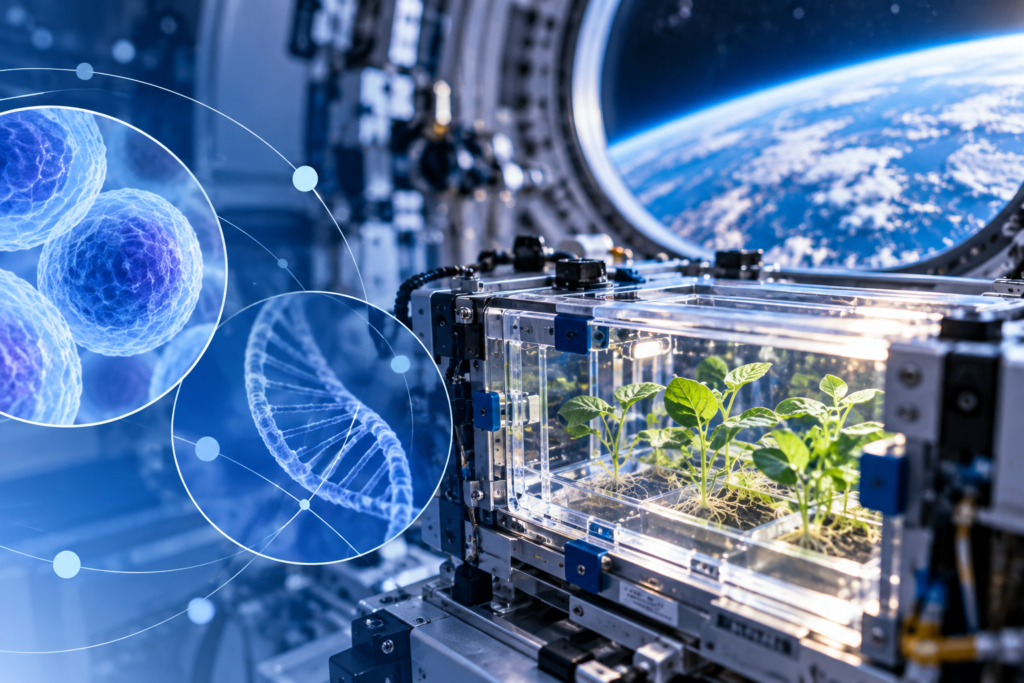
Research · Teaching · Technology
The GSBMS develops its activities around three complementary areas:
Research
Design and carry out experiments to better understand the effects of the space environment on living organisms.
Teaching
Train people in the challenges of life sciences in space, notably through the University Diploma in space biology, physiology and medicine.
Technology
Develop the skills and technological solutions required to carry out experiments in the space environment.
From design to space experimentation
Carrying out a space experiment is the culmination of a complex scientific and technological process, requiring several years of preparation. It relies on close collaboration between scientific teams, engineers and national and international partners, as well as on the implementation of experimental resources and protocols specifically adapted to the constraints of the space environment.
Since its creation, the GSBMS has developed recognised expertise in the preparation and conduct of space biology and radiobiology experiments. Its teams have contributed to numerous experimental programmes carried out aboard recoverable satellites, orbital stations and space shuttles, notably within the Biobloc, Cytos, Biorack, Biopan, Ibis and Kubik programmes.
Our partners